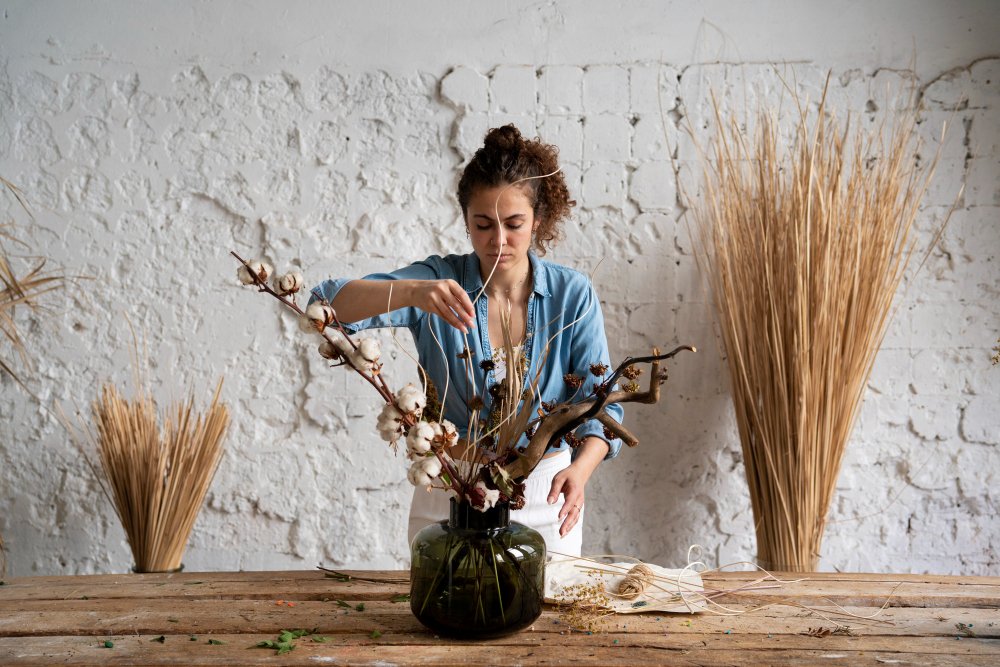
Contemporary homes often feature clean lines, minimalist furniture, and technology-forward amenities. Yet many homeowners find these spaces feel cold or impersonal. Handcrafted decor offers a solution, bringing warmth and character to modern interiors without sacrificing their sleek aesthetic. The challenge lies in achieving balance between the artisanal and the contemporary.
The Appeal of Both Styles
Modern interior design prizes simplicity, function, and visual breathing room. Neutral color palettes, geometric forms, and uncluttered surfaces define this approach. The style emerged from a desire to make homes feel spacious and calm, free from Victorian-era excess.
Handcrafted items tell different stories. Each piece bears marks of its maker, showing tool impressions, grain variations, or slight asymmetries. These characteristics distinguish artisan goods from factory products. They introduce organic elements that soften the sometimes stark nature of modern design.
The combination works because each style addresses what the other lacks. Modern interiors provide structure and order. Handcrafted pieces add soul and texture. Together, they create spaces that feel both current and lived-in.
Starting with a Neutral Foundation
Success in mixing styles begins with your base palette. Modern interiors typically use whites, grays, blacks, and earth tones as foundations. This neutral background lets you introduce handcrafted pieces without creating visual chaos.
When your walls, floors, and large furniture maintain simplicity, you gain flexibility with accent pieces. A handwoven textile or carved wooden sculpture can take center stage against a plain backdrop. The neutral foundation prevents the space from feeling busy even as you add layers of interest.
This approach also allows your artisan pieces to shine. Against a white wall, the grain patterns in a wooden wall hanging become focal points. On a simple gray sofa, a hand-stitched pillow draws the eye. The restraint in your base design makes each handcrafted addition more impactful.
Selecting Handcrafted Pieces with Modern Sensibilities
Not all handcrafted items suit modern spaces. The key lies in finding artisan work that shares some design principles with contemporary style. Look for pieces with clean forms, even if the materials show handwork.
Wooden bowls with simple, turned shapes work better than ornately carved versions. Ceramic vases with minimal glazing integrate more easily than heavily decorated pottery. Woven baskets in natural fibers complement modern homes better than those with busy patterns or bright colors.
Many contemporary artisans create work specifically designed for modern interiors. They use traditional techniques but apply them to streamlined forms. These pieces offer the best of both worlds: the human touch of handcraft in shapes that align with modern aesthetics.
Creating Intentional Groupings
Random placement of handcrafted items throughout a modern home can create discord. Strategic grouping works better. Cluster several artisan pieces together in one area, then leave other spaces minimal. This approach creates visual interest in specific zones while maintaining the open feel modern design requires.
A mantel might display three handmade ceramic pieces in varying heights. A shelf could feature a collection of small wooden carvings. A coffee table might hold a single large handcrafted bowl as a centerpiece. These groupings give each piece context and prevent the scattered look that weakens both styles.
The rule of odd numbers applies here. Groups of three or five items typically look more natural than pairs or even numbers. This principle comes from visual psychology but works particularly well when mixing different design approaches.
Balancing Textures Throughout the Space
Modern interiors often feature smooth surfaces: polished concrete, glass, metal, and painted walls. Handcrafted pieces typically introduce texture: wood grain, woven fibers, hammered metal, or rough pottery. The contrast between smooth and textured elements creates tactile interest.
Distribute textures evenly throughout your space rather than concentrating them in one area. If you place a woven wall hanging in your living room, consider adding a turned wooden lamp in your bedroom. This distribution maintains balance and prevents any single room from feeling mismatched with the rest of your home.
Texture also affects perception of warmth. Smooth, hard surfaces feel cool both literally and figuratively. Textured, natural materials read as warm. By mixing both throughout your home, you create a temperature balance that makes spaces feel welcoming without sacrificing modern sophistication.
Working with Color in Handcrafted Additions
Modern interiors lean toward monochromatic or analogous color schemes. Handcrafted pieces often bring natural wood tones, which work as neutrals in this context. Wood adds warmth to gray and white palettes without introducing competing colors.
If you want handcrafted items in other colors, choose carefully. Earth tones, muted blues, sage greens, and terracotta integrate well with modern schemes. These colors come from natural dyes and materials, maintaining connection to the artisan nature of the pieces.
Avoid introducing too many colors through your handcrafted additions. Two or three accent colors maximum keeps the space cohesive. If your modern furniture includes black and white with touches of navy, look for handcrafted pieces in navy, natural wood, or complementary gray-blues.
Scaling Pieces to Your Space
Size matters when integrating handcrafted items into modern rooms. Large, open modern spaces can accommodate substantial artisan pieces. A big wooden wall sculpture or an oversized ceramic planter makes sense in a room with high ceilings and minimal furniture.
Smaller modern spaces require restraint. Choose handcrafted items that provide visual interest without overwhelming the room. A few small wooden boxes on a shelf or a single medium-sized wall hanging works better than large statement pieces in compact areas.
Consider negative space as part of your design. Modern interiors rely on empty areas to create their characteristic openness. Your handcrafted additions should amp up this quality, not fight against it. Leave room around each piece for the eye to rest.
Mixing Materials Thoughtfully
Modern homes often combine materials like steel, glass, and concrete. Handcrafted additions typically introduce wood, clay, fiber, or stone. These natural materials soften industrial elements while maintaining contemporary sophistication.
Pairing materials requires attention to finish. Rustic, rough-hewn wood might clash with polished chrome fixtures. However, smooth, finished wood complements the same chrome beautifully. Match the level of refinement in your handcrafted pieces to the finish quality of your modern elements.
Mixed-material handcrafted pieces offer bridges between styles. A wooden bowl with metal inlay connects to both the organic and industrial aspects of your decor. A ceramic vase with geometric patterns links handcraft to modern design principles.
Lighting as a Unifying Element
Lighting helps marry handcrafted items with modern interiors. Track lighting or recessed fixtures can highlight artisan pieces, treating them as gallery-worthy art. This approach dignifies the handcraft while maintaining the clean lines modern lighting provides.
Natural light also plays a role. Position handcrafted wooden items where sunlight can illuminate their grain patterns and texture. The changing light throughout the day adds movement and interest to these static pieces.
Handcrafted lighting fixtures themselves can serve as bridge pieces. A wooden pendant light or a hand-thrown ceramic lamp base brings artisan quality while serving the functional needs of modern living. These items prove that handcraft and contemporary use can coexist in single objects.
Maintaining Flexibility for Evolution
Your mix of modern and handcrafted elements need not remain static. As you discover new artisan pieces or your tastes shift, you can adjust the balance. The key lies in maintaining the foundational principles: neutral backgrounds, intentional placement, and attention to scale and proportion.
Start with a few handcrafted pieces and live with them before adding more. This gradual approach helps you understand what works in your specific space. You might find you prefer more handcraft than you initially thought, or you might discover that a lighter touch suits you better.
Conclusion
Combining handcrafted decor with modern interiors creates homes that feel both current and human. The precision of modern design provides structure, while the individuality of handmade pieces provides warmth. This balance results in spaces that reflect both contemporary life and timeless craft traditions. Your home can honor sleek sophistication while celebrating the irreplaceable value of objects made by human hands, proving that new and old, industrial and artisanal, can coexist in beautiful harmony.